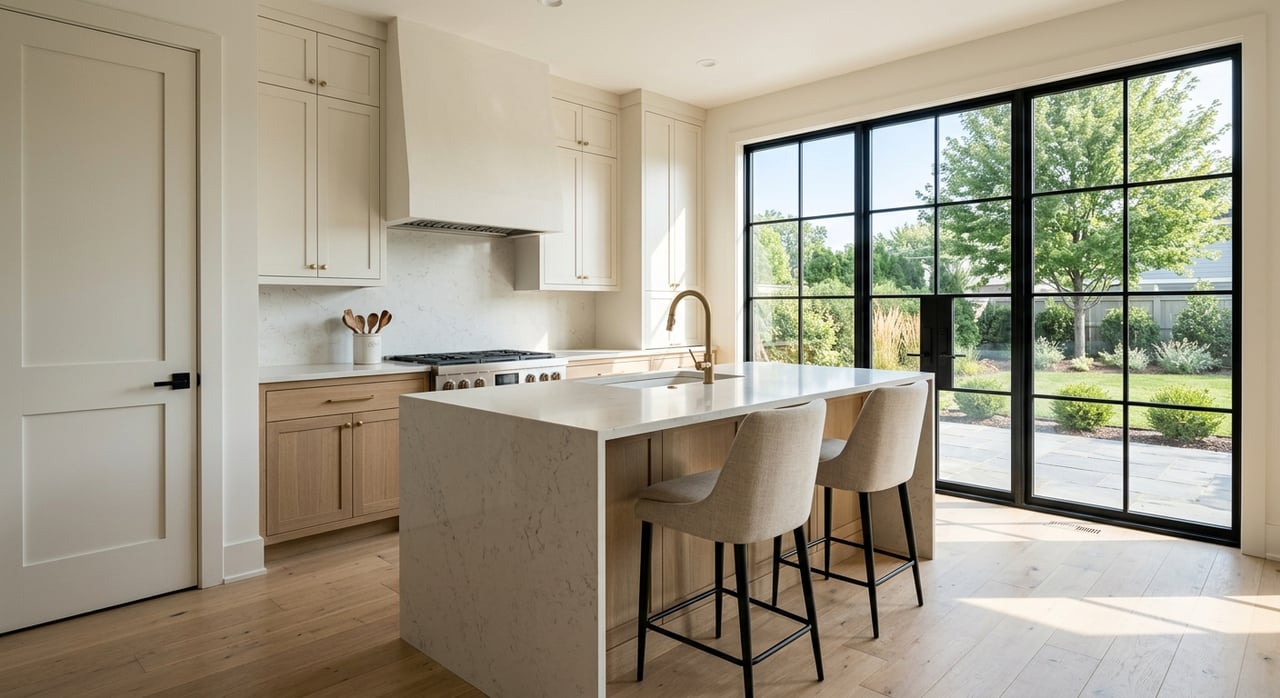
Thinking about buying a brand-new home in Waukee? You are not alone. With the city growing quickly and new neighborhoods continuing to take shape, new construction can be an exciting path, but it also comes with moving parts that are easy to miss if you focus only on the floor plan. This guide will help you understand how new construction works in Waukee, what to watch for before you sign, and how to make a smart decision for both your lifestyle and your long-term value. Let’s dive in.
Why new construction matters in Waukee
Waukee is in a major growth phase. The city’s 2024 special census reported a population of 31,823, which is up 7,883 from the 2020 census. The city is also updating Imagine Waukee 2040 to keep pace with expected growth over the next 15 years.
That growth shows up clearly in the city’s development activity. Kettlestone is a 1,500-acre mixed-use district, and Kettlestone Central alone is a 164-acre neighborhood planned for thousands of residents along with retail, entertainment, and recreation (discover more in our guide to everyday life in Waukee). The city’s development pipeline also shows active residential projects such as Silverleaf, Timberline Estates, and The Villas at Kettlestone.
For you as a buyer, this means a new home in Waukee is not just about the home itself. It is also about understanding what is being built around you, what future phases may bring, and how a developing area could shape your day-to-day experience.
Start with the lot, not the layout
It is easy to fall in love with a plan, a finish package, or a model home. In Waukee, though, the lot deserves just as much attention. A beautiful home on a lot that is still waiting on key approvals or nearby improvements can affect your timeline and expectations.
The city reviews development proposals through rezoning, platting, and site plan review. According to Waukee, platting must happen before a site plan can be submitted, and the final plat identifies easements, lots, and property dedicated to the city. That means the approval stage matters, because not every lot is in the same place in the process.
Here is a simple way to think about it:
Approved lot vs. in-process lot
An approved lot has already gone through the needed platting steps, which usually gives you more clarity about boundaries, easements, and city-dedicated areas. A lot still moving through platting or rezoning may come with more uncertainty around timing.
A home listed as under construction is something different. It may mean the build has started, but you still need to understand whether public improvements, utility work, or other development steps are complete enough to support your closing timeline.
What to ask about the lot
Before you move forward, ask questions like:
- Is the lot fully platted?
- Are any utility, sidewalk, or street improvements still pending?
- Are there easements that affect home placement or outdoor use?
- Does the neighborhood have design guidelines that affect exterior choices?
- What future phases are planned nearby?
These questions can help you avoid surprises and give you a clearer picture of what life may look like in the neighborhood over the next few years.
Understand Waukee’s local development process
Waukee’s development and permit structure can influence how quickly a neighborhood moves from plans on paper to move-in ready homes. The city says development submittals are reviewed every Tuesday by staff and then move to the Planning and Zoning Commission and City Council as needed.
The city also notes that building permits are processed by Community Development, while sidewalk and utility permits are handled by Public Works. On top of that, Waukee has adopted the 2024 International Building and Fire Code, and Iowa has adopted the 2023 National Electrical Code, the 2024 Uniform Plumbing Code, and the 2024 International Mechanical Code.
For buyers exploring Waukee homes for sale, the takeaway is simple: timing can depend on more than the builder’s schedule. City approvals, public improvements, inspections, and neighborhood design standards can all affect when a home is truly ready to close.
Neighborhood guidelines can shape your choices
Waukee maintains neighborhood design guidelines, and Kettlestone has its own design guidelines as well. These standards may affect exterior materials, elevation choices, or how a home sits on the lot.
That is not necessarily a negative. It just means your personalization options may be influenced by the neighborhood’s rules, so it is smart to understand those standards early instead of discovering them after you have already selected finishes or elevations (see our timeless design tips to balance personal style with broad appeal).
Build timeline: what to expect
New construction timelines can vary quite a bit. In general, custom homes take longer than stock plans or spec homes, and your available design choices often depend on how far along the home already is.
If you are building from a custom design, the design phase often takes three to six months, and construction typically lasts at least 12 to 16 months. If you are buying a stock plan or a spec home, the process may move faster, but your options may be more limited depending on the construction stage.
Why timelines shift
Even when a builder gives you an estimated completion date, there can still be changes along the way. In a growing city like Waukee, public improvement timing, inspections, and neighborhood build-out can all influence the final schedule.
That is why it helps to think in ranges, not exact dates. If you are coordinating a lease end, a current-home sale, or a relocation timeline, build in some flexibility where possible.
Review the contract carefully
A new-construction contract is more than a price and a finish sheet. It should also answer practical questions about deposits, timelines, contingencies, and what happens if something changes before closing (explore the legal aspects of home buying).
Before you commit, make sure you understand when earnest money is refundable and under what conditions. It is also wise to ask whether upgrades, allowances, and change orders are clearly spelled out so you know what is included and what may cost extra later.
Keep financing and inspection protections in mind
Even when the home is brand new, consumer protections still matter. It is smart to make your offer contingent on financing and a satisfactory inspection.
If an inspection reveals a problem before closing, that gives you a clearer path to address the issue before you own the home. New does not always mean perfect, and it is better to identify concerns before closing day.
You can shop for your lender
Many buyers assume they must use a builder’s preferred lender. You do not have to. You can compare lenders and choose the option that works best for your goals (learn about understanding the different types of mortgages).
That matters because financing affects more than just your rate. It can influence your monthly payment, closing costs, and the amount of cash you need at closing. Even if the builder offers an incentive through an affiliated lender, it is worth comparing the full picture.
Budget beyond the purchase price
One of the biggest mistakes buyers make with new construction is focusing only on the contract price. Your true budget should also account for other costs that come with buying and moving into a new home (read more on the unexpected costs of buying a home in Des Moines).
Closing costs commonly run about 2% to 5% of the purchase price. You may also need cash for moving expenses, furnishings, window coverings, appliances if not included, landscaping add-ons, or other finishing touches that are common in a newly built home.
A simple budget checklist
As you plan, think about setting aside funds for:
- Earnest money and deposits
- Closing costs
- Moving expenses
- Furniture and décor
- Yard or landscaping items not included by the builder
- Utility setup and other move-in costs
A clear budget helps you enjoy the process more and reduces the chance of feeling stretched once construction is complete.
Property taxes may change after closing
This is one of the most important parts of buying new construction in Dallas County (explore understanding property tax systems for regional context). The county assessor says the effective assessment date is January 1, and new construction may be assigned full or partial value depending on its state of completion on that date.
In practical terms, that means the tax amount you see early on may not fully reflect the finished home yet. Once the completed home is captured in the assessment process, your escrow amount or property tax bill may change.
Why the first tax cycle matters
Dallas County reassesses real estate every two years in odd-numbered years. If you believe an assessment looks wrong, the Assessor’s Office says owners should contact the office for a review.
If you want to formally challenge a valuation, petitions to the Dallas County Board of Review are accepted only from April 2 through April 30 of the assessment year, and the board acts on assessed valuations rather than tax amounts. For many buyers, that makes the first full tax cycle after closing a key part of financial planning.
Warranties and inspections are not the same thing
Buyers sometimes hear the word “warranty” and assume that covers every possible issue (read do you need a home warranty). It is important to know the difference between a builder warranty and a home warranty.
A builder warranty typically covers certain materials, workmanship, or structural items for a stated period. A home warranty, by contrast, is generally a service contract that often costs extra and may come with limitations, deductibles, or coverage gaps.
Why inspections still matter on a new home
Even with a builder warranty, an inspection is still valuable (review home inspection tips for first-time home buyers). An inspector can help identify issues before closing, when it is easier to resolve them through the builder process.
This is one of the best ways to protect yourself while keeping expectations realistic. A new home can offer strong benefits, but it still deserves the same careful review you would give any major purchase.
Think about resale from day one
New construction often offers modern layouts, newer products, and more personalization. It can also come with tradeoffs like a longer wait, developing surroundings, and incomplete landscaping or amenities in early phases.
In Waukee, that tradeoff is especially relevant because so many areas are still maturing. A location near future retail, recreation, or mixed-use amenities may be appealing long term, but nearby construction, traffic pattern changes, and phased build-out can be part of the short-term reality (weighing locations? Compare with West Des Moines vs Waukee).
Smart choices tend to age better
Dallas County says assessed value is influenced by square footage, condition, comparable sales, and market supply and demand. While no one can predict the future perfectly, that is a good reminder that broad-appeal layouts and finish choices often support long-term value better than highly specific personalizations.
That does not mean you should avoid making the home yours. It simply means it is worth balancing your personal style with choices that can still make sense to future buyers down the road.
A smart new-construction strategy in Waukee
The best way to navigate new construction in Waukee is to treat it as a process, not just a product. You want to understand the lot’s approval status, the neighborhood’s phase of development, the contract terms, the financing plan, the inspection path, and the likely tax changes after completion.
When you approach it that way, you can make decisions with more confidence and fewer surprises. That is especially helpful in a fast-growing market where timing, location, and long-term planning all matter.
If you are considering a new construction home in Waukee, having experienced local guidance can make the process feel far more clear and manageable. Contact Megan Mitchum + CO today or request a home valuation to navigate opportunities like new construction with a steady, informed, and relationship-first approach.
FAQs
What should you ask before buying a new construction lot in Waukee?
- Ask whether the lot is fully platted, whether utilities or sidewalks are still pending, whether easements affect the site, whether neighborhood design guidelines apply, and what future phases are planned nearby.
Can you use your own lender for a new construction home in Waukee?
- Yes. You do not have to use the builder’s preferred lender, so it is worth comparing financing options, costs, and terms before deciding.
Why can a new construction closing date in Waukee change?
- Closing timelines can shift because of construction progress, city inspections, permit timing, public improvements, and the overall pace of neighborhood development.
When will property taxes reflect a finished new construction home in Dallas County?
- Taxes may not fully reflect the completed home right away because the effective assessment date is January 1, and new construction may receive full or partial value depending on how complete it is on that date.
Do you still need an inspection on a brand-new home in Waukee?
- Yes. A new home can still have issues, and an inspection helps identify problems before closing so they can be addressed through the builder process.
What extra costs should you budget for with new construction in Waukee?
- In addition to the purchase price, plan for closing costs, moving expenses, deposits, furnishings, and other move-in or finishing costs that may come up with a newly built home.
Related Blog Posts
- Everyday Life in Waukee: Parks, Events, and Local Flavor
- West Des Moines vs. Waukee: Which Fits Your Lifestyle?
- Unexpected Costs of Buying a Home in Des Moines
- Timeless Design Tips for Your Des Moines Home
- Understanding the Different Types of Mortgages
- Do You Need a Home Warranty?
- Home Inspection Tips for First-Time Home Buyers