Thinking about trading yard work and long commutes for walkable streets, skyline views, and easy access to some of Des Moines’ most active districts? Urban living in Des Moines can offer a very different day-to-day experience than suburban life, and knowing where to look makes all the difference. If you are exploring a move to the city core, this guide will help you understand the neighborhoods, housing options, lifestyle perks, and practical details that shape downtown living. Let’s dive in.
Why urban living appeals in Des Moines
Downtown Des Moines is the city’s most urban living area, generally located between the Des Moines River, the Raccoon River, Center Street, and 18th and 15th Streets. More than 12,000 people live downtown in a mix of modern homes and historically renovated properties. That gives you a wider range of options than many buyers expect.
For many buyers, the biggest draw is convenience. You can live closer to restaurants, entertainment, trails, and major downtown destinations while often choosing a lower-maintenance home style. If you want less upkeep and more access, urban Des Moines may feel like a strong fit.
Downtown Des Moines neighborhoods to know
Urban living in Des Moines is not one-size-fits-all. Each downtown district has its own feel, housing mix, and daily rhythm, so it helps to compare a few areas before you decide what suits you best.
Historic East Village
The Historic East Village sits on the east side of the Des Moines River near the Iowa Capitol. It is known for being walkable and accessible by car, bike, bus, and foot, with more than 100 shops and services in the district. That blend of local convenience and neighborhood energy makes it one of the most recognizable urban areas in the city.
You will also find a mix of rental and for-sale housing near the river, including homes in the Bridge District. If you want a neighborhood that puts you close to shopping, dining, and downtown activity while still feeling distinct, East Village is worth a close look.
Sherman Hill
Sherman Hill is Des Moines’ oldest neighborhood and the city’s first local historical district, with roots in the 1870s. It stands out for its historic architecture and its close access to downtown, Ingersoll, Cottage Grove, and Iowa Methodist Medical Center. For buyers who want character and city access, this area offers a different kind of urban living.
This neighborhood may appeal to you if you love older homes and want to be near the urban core without feeling like you are in the middle of a high-rise setting. It is a great example of how urban living in Des Moines can include both history and convenience.
Western Gateway
Western Gateway centers on the 13-acre Pappajohn Sculpture Park and includes destinations like the Central Library, the University of Iowa John and Mary Pappajohn Education Center, and the Temple for Performing Arts. The area also anchors some of downtown’s major festivals and nightlife. If you want to be near arts, events, and a more active downtown scene, Western Gateway deserves attention.
This part of downtown often appeals to buyers who enjoy having entertainment and public spaces nearby. Your lifestyle here may feel especially connected to the city’s cultural calendar.
Historic Court District
The Historic Court District sits at the heart of downtown Des Moines. It offers access to trails, restaurants, entertainment, and the Downtown Farmers’ Market, which is one of the city’s biggest lifestyle draws.
In 2026, the Downtown Farmers’ Market runs on Saturdays from May 2 through October 31 in the Historic Court District. It spans 12 city blocks and brings together 305 vendors from 74 cities across 42 counties. If you picture weekend mornings spent walking downtown with coffee in hand, this area may match that vision well.
Gray’s Lake Area
Gray’s Lake Area combines access to trails with a range of residential options. If outdoor access matters to you as much as proximity to downtown, this area can offer a nice balance.
For some buyers, this neighborhood is a practical middle ground. You can stay connected to the core while enjoying easy access to one of Des Moines’ best-known recreation areas.
Market District
The Market District is a neighborhood to watch for future growth. It is being positioned for additional mixed-use development and future townhomes, which may make it especially interesting if you are thinking long term.
If you like the idea of buying in an area with evolving housing options and continued investment, this district may be worth keeping on your radar. Growth patterns can shape both lifestyle and resale potential over time.
What housing looks like downtown
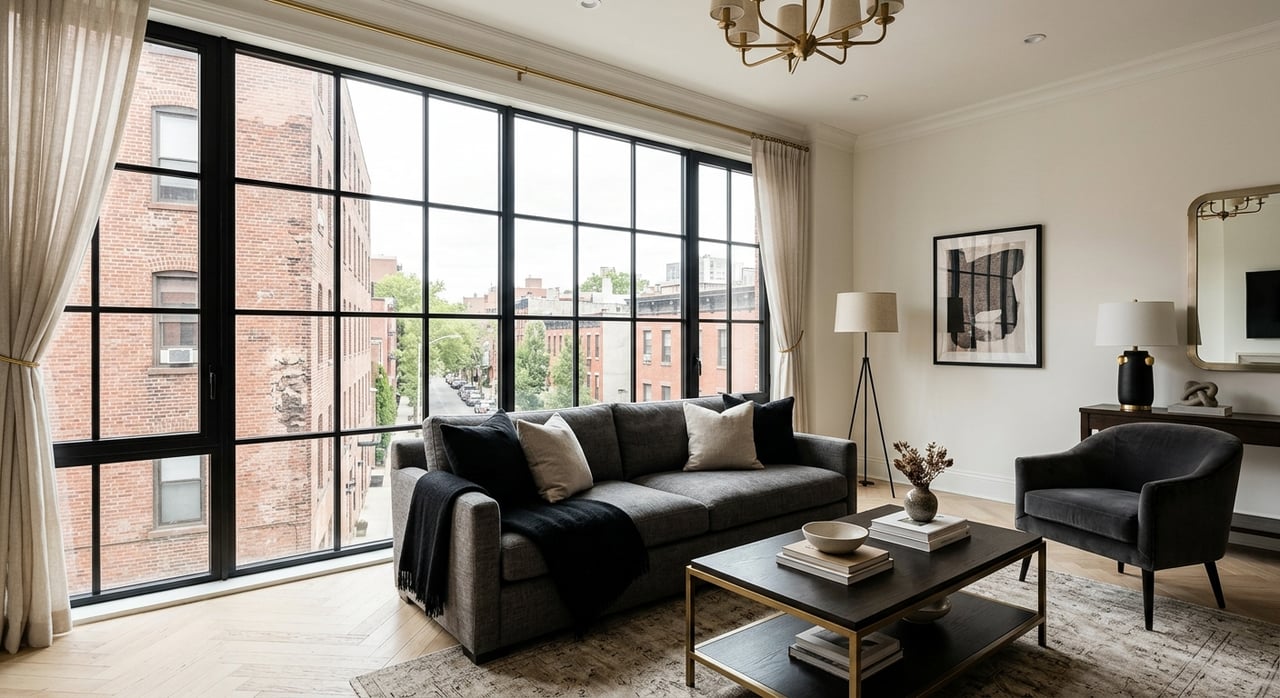
One of the biggest surprises for many buyers is how many home types exist in downtown Des Moines. Housing options include townhomes, apartments, condos, lofts, renovated historic buildings, and newer mixed-use properties. That variety gives you flexibility depending on your budget, maintenance preferences, and style.
If you want a lock-and-leave lifestyle, a condo or apartment may fit. If you want something with more separation or a more traditional layout, a townhome may be a better match. And if character matters most, a loft or renovated historic building could be the right place to start.
Urban homes often work best for these priorities
Urban Des Moines tends to fit buyers who value:
- Walkability
- Shorter commutes
- Dining and entertainment access
- Lower-maintenance living
- Proximity to downtown amenities
- Condo-style, loft-style, townhome, or apartment living
If your wish list centers on large lots or more suburban separation, downtown may not be your best fit. But if convenience and connection matter more, urban living can be a smart lifestyle move.
Daily life and convenience downtown
Lifestyle matters just as much as square footage. Downtown Des Moines offers practical daily conveniences through places like Gateway Market and the Fourth + Court Hy-Vee, along with easy access to restaurants, bars, the Principal Riverwalk, and Pappajohn Sculpture Park.
That means your routine can look very different from a car-dependent setup. You may be able to combine errands, social plans, and outdoor time into the same part of your day without needing to drive across town.
Getting around downtown Des Moines
Mobility is one of the biggest reasons people consider urban living. DART Central Station at 620 Cherry Street serves as the transit hub for Greater Des Moines, and downtown also has four miles of connected skywalks. The Downtown Partnership also notes that you can get anywhere downtown in less than 20 minutes by bike.
Driving is still practical in the core as well. Downtown wayfinding helps drivers and pedestrians reach major destinations and parking garages, and the East Village is easily reached from I-235 via the East 6th Street exit.
A note on transit changes
Transit details are changing in 2026. As of May 24, 2026, DART reports that current local routes will be replaced on June 14, 2026, and the LINK shuttle, express routes, Flex Connect, and On Call services will end on June 12, 2026.
If transit is a major factor in your home search, it is smart to verify the latest route and service information before you buy. Small commuting details can have a big impact on which downtown area feels most convenient for you.
Is downtown Des Moines right for you?
Urban living is usually less about the home alone and more about how you want your day to feel. Downtown Des Moines often works well for buyers who want to be close to work, events, trails, restaurants, and neighborhood activity. It can also be a practical option for relocation buyers, empty nesters, and anyone looking to simplify maintenance.
Some buyers also want an urban home base while staying within the Des Moines Public Schools district. If that applies to you, be sure to verify school assignment by exact address, since boundaries are address-specific.
How to narrow your search
If you are early in the process, start by thinking about how you want to live, not just what you want to buy. The right downtown fit often comes down to daily habits more than bedroom count.
Here are a few helpful questions to ask yourself:
- Do you want the energy of the East Village or the character of Sherman Hill?
- Would you use trails and outdoor spaces regularly?
- Is walkability more important than parking convenience?
- Do you prefer historic charm or newer mixed-use living?
- How much home maintenance do you want to handle?
- Do you need to verify a specific school assignment by address?
When you answer those questions first, your search becomes much more focused. That can save time and help you avoid touring homes that do not really fit your lifestyle.
Urban living in Des Moines can be exciting, practical, and surprisingly varied depending on the neighborhood you choose. Whether you are drawn to the East Village, curious about historic districts like Sherman Hill, or looking for a low-maintenance home near the heart of downtown, the best move starts with clear local guidance. If you are ready to explore what city living could look like for you, connect with Megan Mitchum + CO - 515 Realtor for thoughtful, local help every step of the way.
FAQs
What does urban living in Des Moines usually mean?
- Urban living in Des Moines usually refers to downtown and nearby districts where you can find condos, lofts, townhomes, apartments, renovated historic buildings, and easy access to restaurants, trails, events, and daily conveniences.
Which downtown Des Moines neighborhoods are popular for urban living?
- Some of the key areas to explore include the Historic East Village, Sherman Hill, Western Gateway, the Historic Court District, Gray’s Lake Area, and the Market District.
What housing types can you find in downtown Des Moines?
- Downtown Des Moines offers townhomes, apartments, condos, lofts, renovated historic properties, and newer mixed-use housing.
How walkable is downtown Des Moines for daily life?
- Downtown living can support a more walkable routine thanks to nearby grocery options, restaurants, entertainment, public spaces, and districts like the East Village and Court District.
What should buyers know about transit in downtown Des Moines?
- DART Central Station is the main transit hub, downtown has connected skywalks, and bike access is strong, but transit routes and services are changing in 2026, so you should verify current details before making a decision.
How do school assignments work for downtown Des Moines homes?
- Downtown is within Des Moines Public Schools, but school boundaries are address-specific, so you should verify assignment based on the exact property you are considering.